



On this day 34 years ago, September 21, 1992, China approved its manned space program coded “Project 921” and laid out a clear three-step strategy:
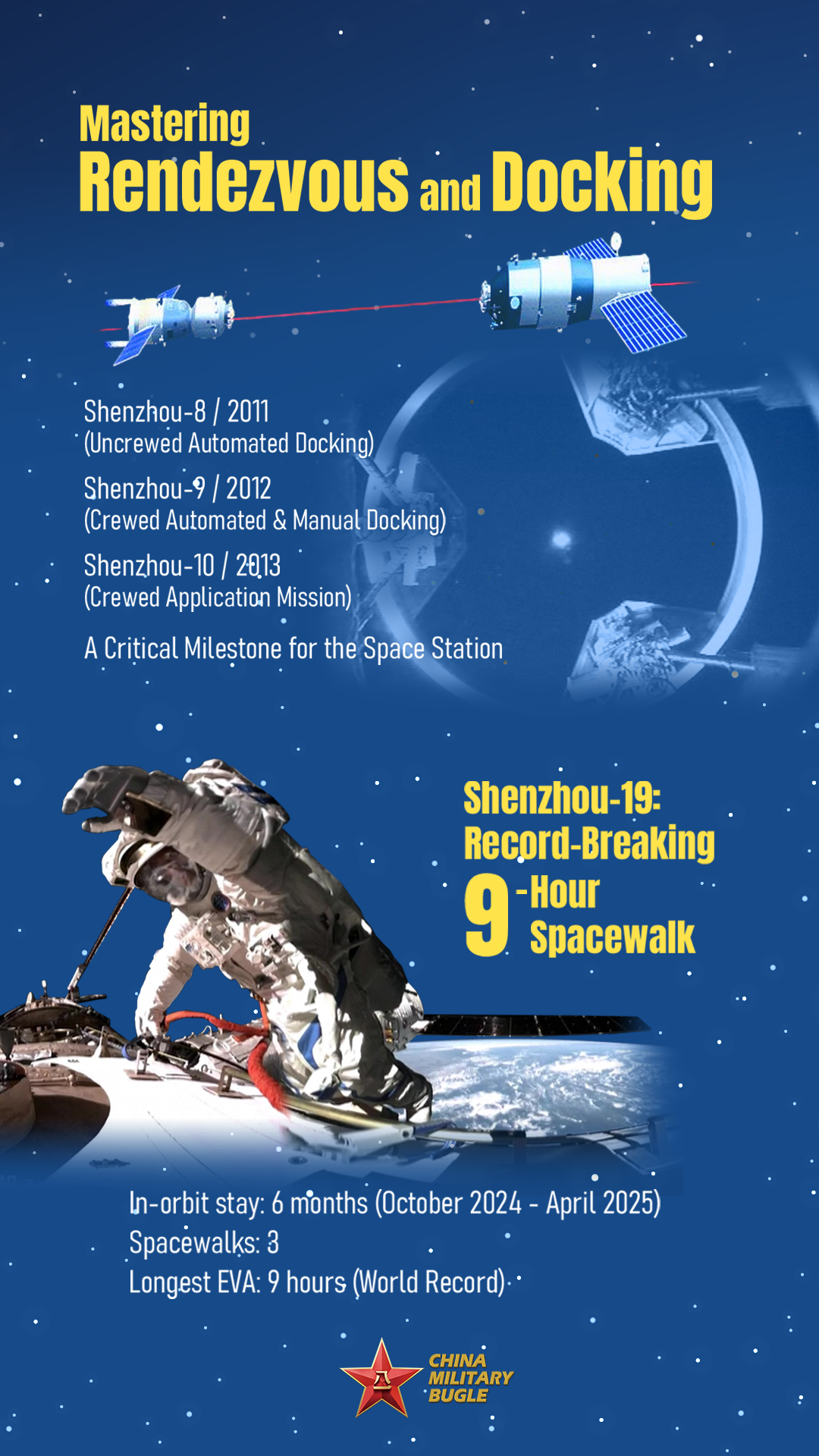
The first step was to send astronauts into space and ensure their safe return. The second step was developing advanced space flight techniques and technologies including extravehicular activity and orbital docking. The third step is to assemble and operate a permanent manned space station.
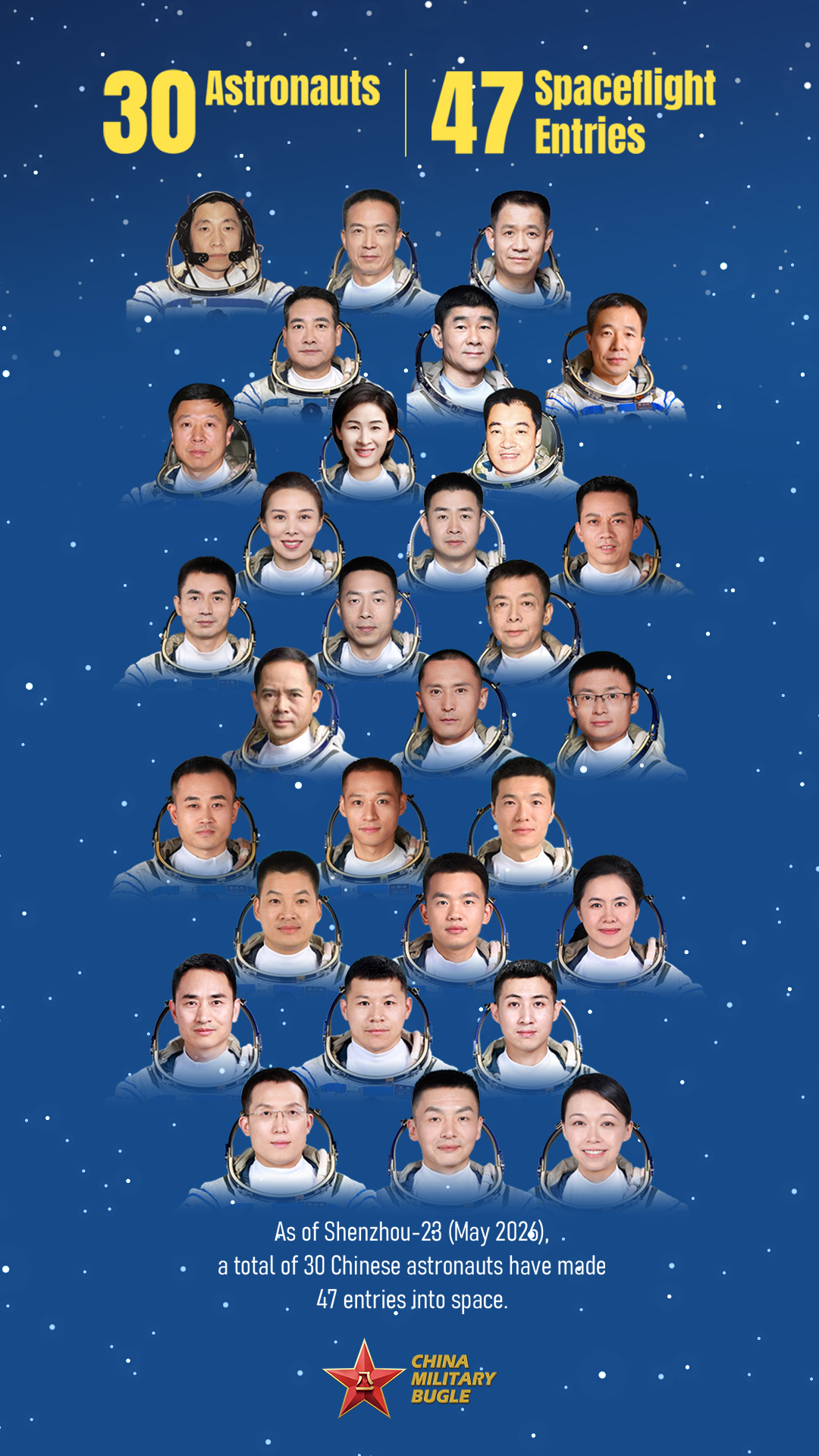
China launched its first experimental manned spacecraft Shenzhou-1, with no crew onboard, in November 1999. Three more spacecraft were sent into space between 2001 and 2002, before astronaut Yang Liwei entered space with Shenzhou-5 in October 2003. The country's first spacewalk was completed by Shenzhou-7 astronaut Zhai Zhigang in September 2008.
The construction of the China Space Station was completed in 2022. The program then transitioned into the application and development phase, marking the full realization of the three-step strategy of China’s manned space program.
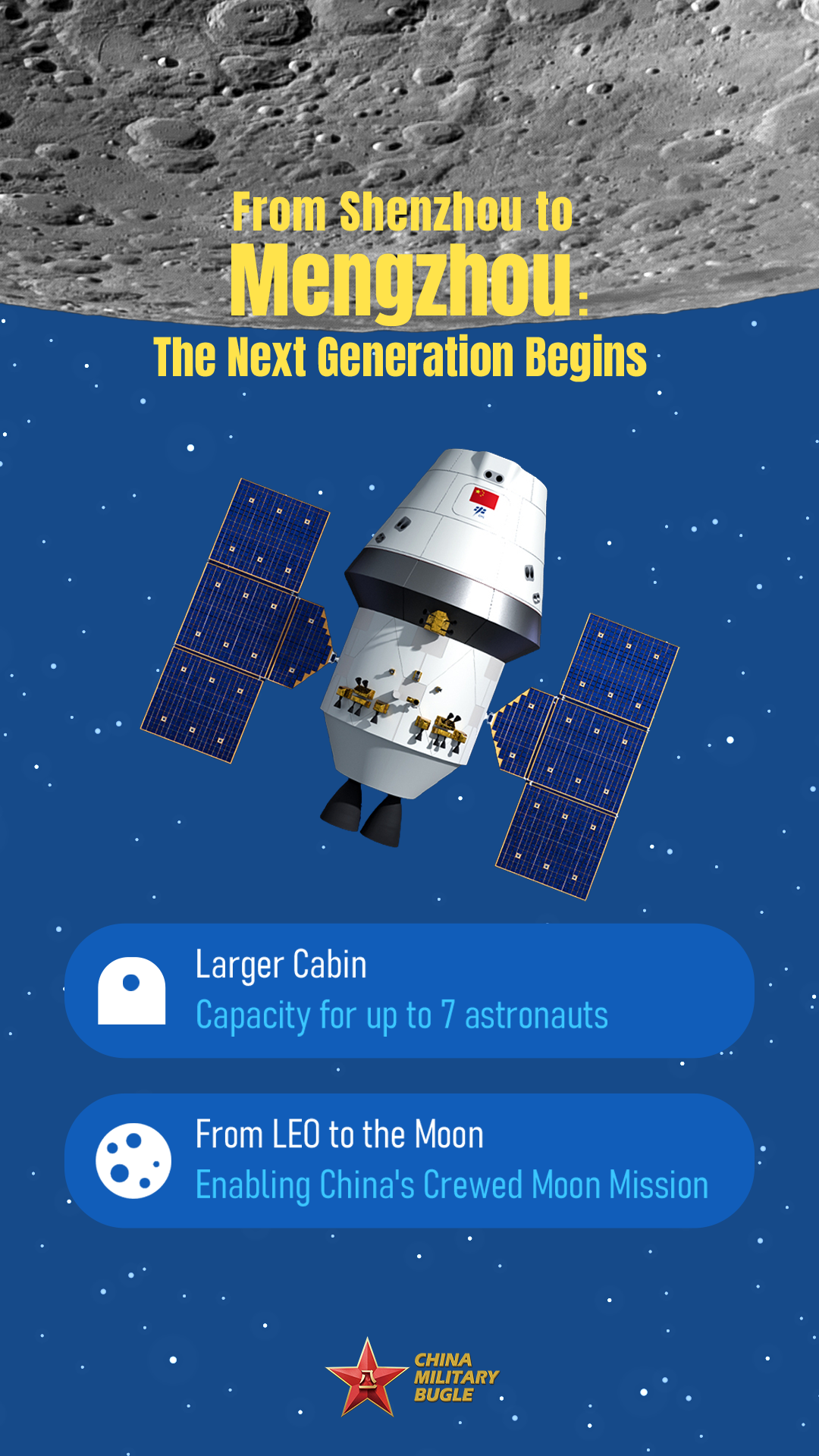
Now the country has been steadily advancing the lunar landing phase of its manned lunar exploration program. China is holding firm to its goal of landing astronauts on the moon by 2030, and has outlined a packed schedule of development and testing for its ambitious crewed lunar program.

(Illustrator: Yang Xueqing)