



NO.1
China holds a military parade to commemorate the 80th anniversary of the victory of the Chinese People's War of Resistance Against Japanese Aggression
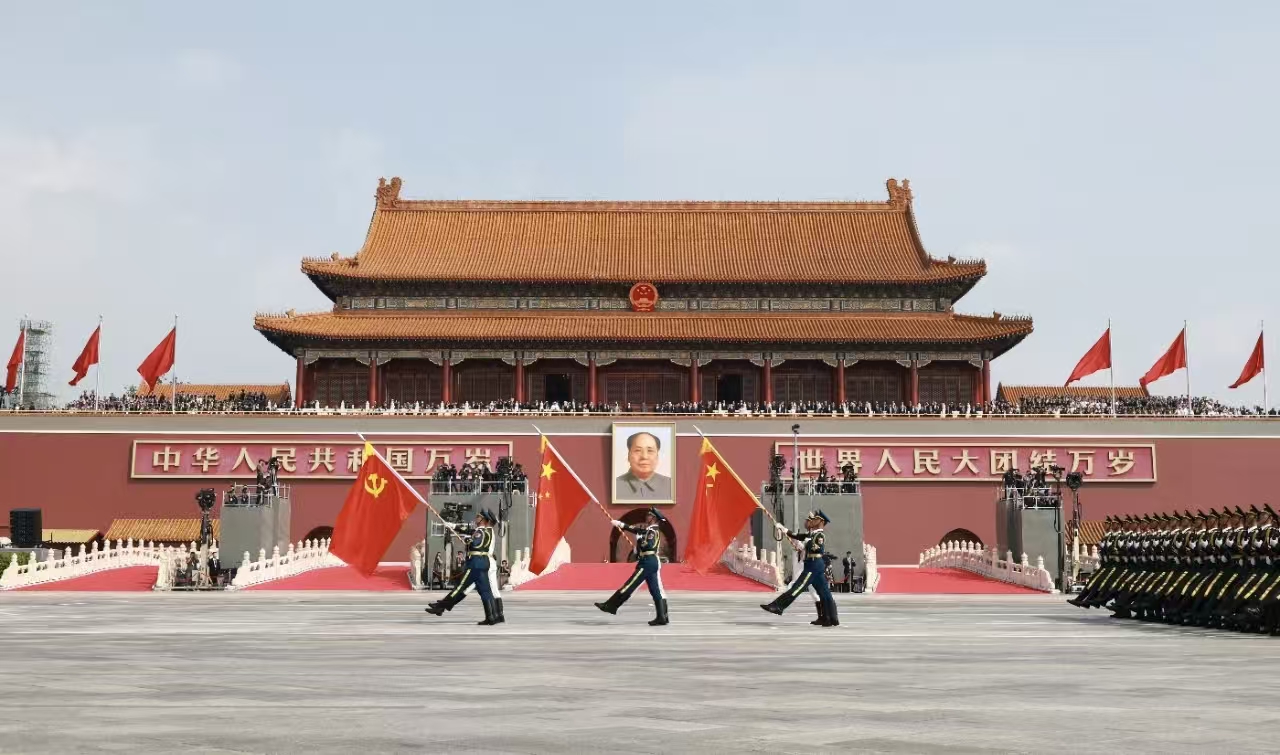
Event Review: On September 3, 2025, he Commemoration of the 80th anniversary of the victory of the Chinese People's War of Resistance Against Japanese Aggression and the World Anti-Fascist War was held in Beijing, with a grand military parade staged in Tiananmen Square. A total of 45 formations and echelons composed of more than 10,000 service members, 80 battle flags, hundreds of pieces (sets) of ground equipment, and over 100 aircraft were reviewed in formation.
Commentary: This is the first military parade on the new journey of advancing Chinese modernization on all fronts and the first concentrated public display of the fresh structure of China's armed forces composition. It demonstrated to the world the strong capability of the Chinese military to safeguard national sovereignty, security, and development interests, as well as to uphold world peace. It also fully underscored China's firm resolve to work with the peoples of all countries to defend the outcomes of the victory in the World Anti-Fascist War.
NO.2
China commissions the Fujian, its first aircraft carrier equipped with electromagnetic catapults
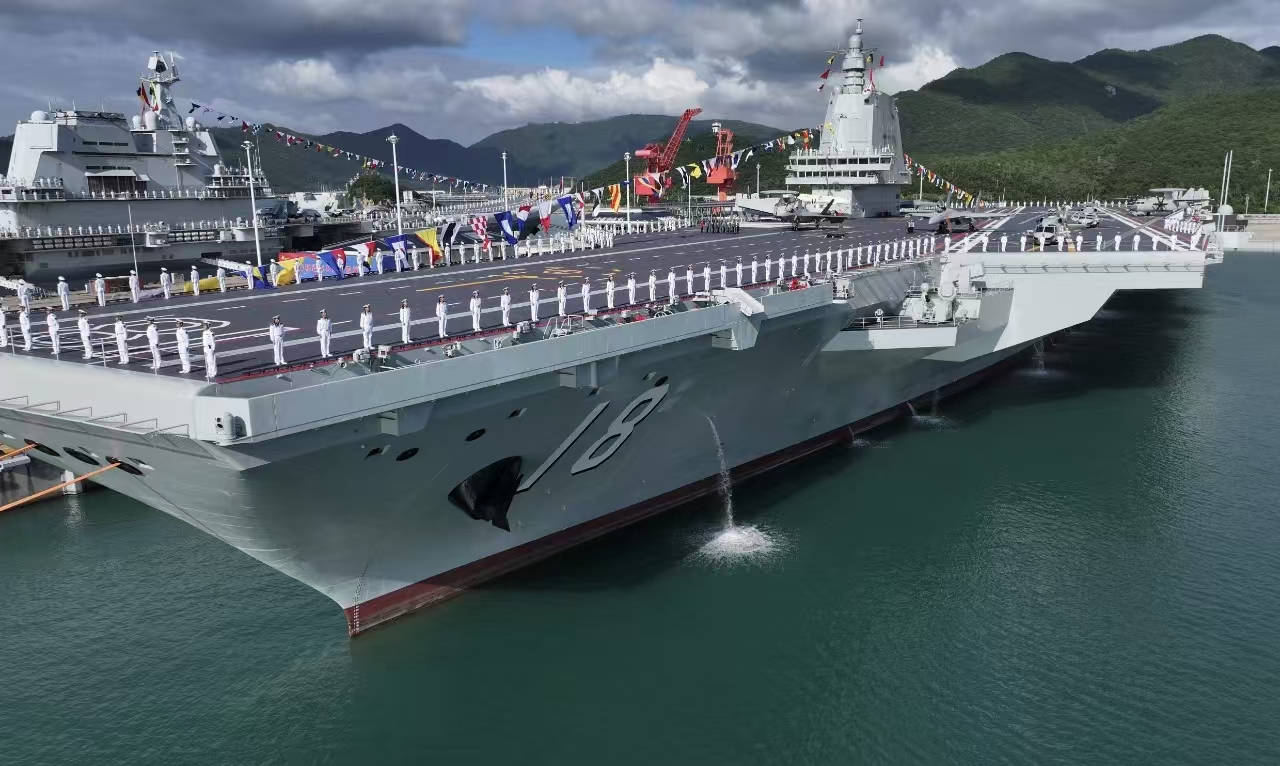
Event Review: On November 5, 2025, China's first aircraft carrier equipped with electromagnetic catapults, the Fujian (Hull 18), was officially commissioned to the PLA Navy at a naval port in Sanya, Hainan Province. Following its commissioning, the carrier will continue in-depth trials and verification to further test the stability of its platform systems. Carrier and air vehicle integration tests and integrated formation training will be conducted as planned, with a view to continuously enhancing real-combat capabilities.
Commentary: The Fujian is a milestone for the Chinese PLA Navy in its course towards transformation and leapfrog development. China always adheres to the path of peaceful development and firmly pursues a national defense policy that is defensive in nature. China develops and improves its weapons and equipment for the purpose of safeguarding national sovereignty, security and development interests. It does not target any country or specific entity, nor pose threats to any country or region.
NO.3
China releases a white paper titled "China's Arms Control, Disarmament, and Nonproliferation in the New Era"
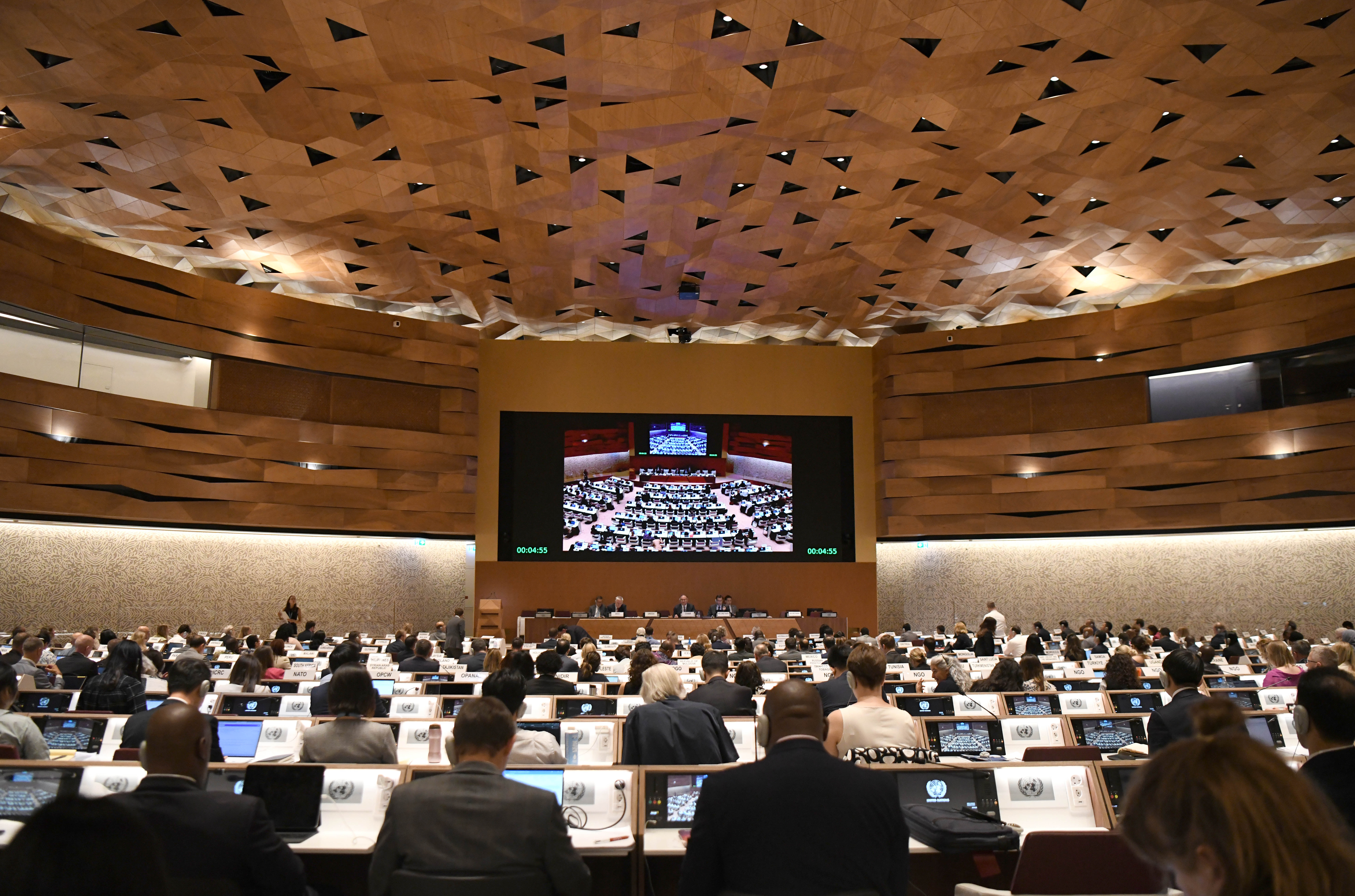
Event Review: On November 27, 2025, China released a white paper titled "China's Arms Control, Disarmament, and Nonproliferation in the New Era," which systematically elaborates China's views on the international security situation and arms control, disarmament, and non-proliferation policies in the new era. This marks the first time in 20 years that the Chinese government has comprehensively articulated its arms control, disarmament, and non-proliferation policies through the release of a white paper.
Commentary: 2025 marks the 80th anniversary of the victory in the Chinese People's War of Resistance Against Japanese Aggression and the World Anti-Fascist War, as well as the 80th anniversary of the founding of the United Nations. At this critical historical juncture, the release of the white paper by the Chinese government represents a concrete step in actively advancing the Global Security Initiative and the Global Governance Initiative. No matter how international circumstances evolve, China stands for peace and justice and serves as a staunch force for upholding world peace and security.
NO.4
Resurgent Japanese militarist forces seek to accelerate military loosening
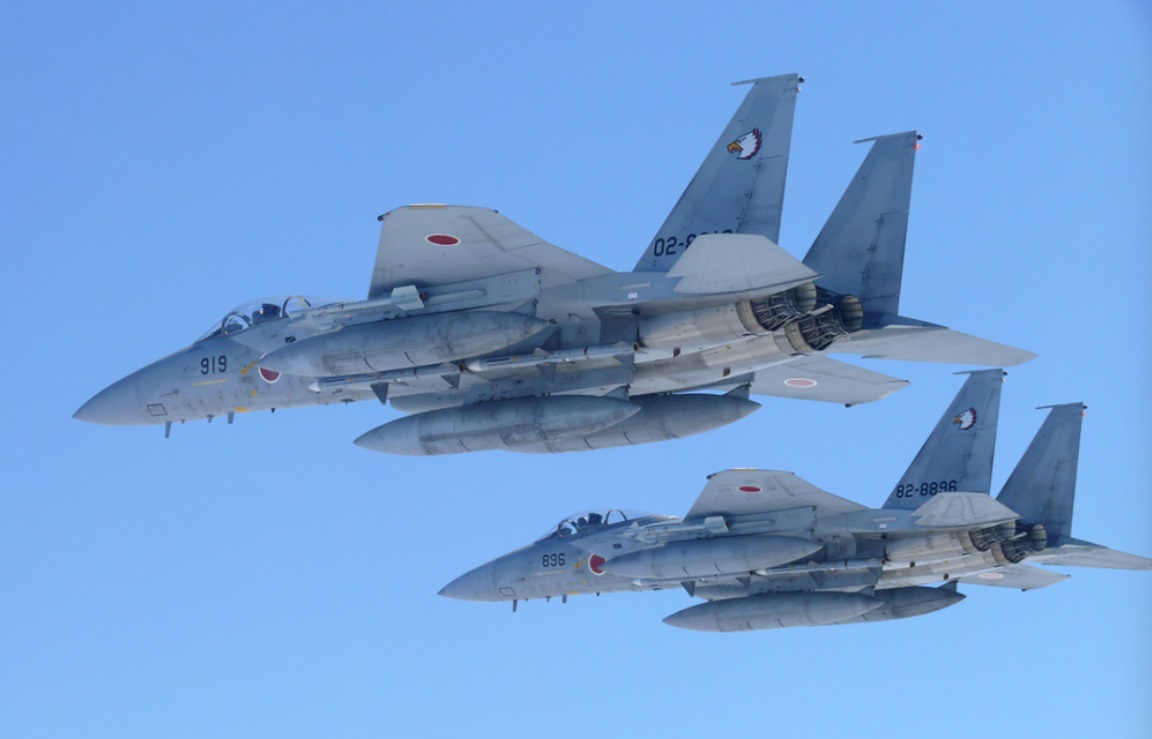
Event Review: In November, 2025, Japanese Prime Minister Sanae Takaichi made blatant and erroneous remarks on Taiwan, hinting at the possibility of military intervention in the Taiwan Strait. In the same month, Japan announced that it was advancing plans to deploy the Type 03 medium-range surface-to-air missile system on Yonaguni Island and stated that it did not rule out the introduction of nuclear-powered submarines. In December, Japan hyped allegations of "locking on with radar" involving aircraft from the Chinese aircraft carrier Liaoning strike group, using the incident as a pretext to justify further military loosening.
Commentary: As a defeated country in WWII, Japan has not undertaken a profound reflection on its historical aggression. Instead, it has repeatedly pushed beyond the constraints of its pacifist Constitution and sought to accelerate military loosening. Recently, it has become increasingly reckless and provocative in the military and security domain, with clear signs of a resurgence of militarism. Such repeated provocations will inevitably trigger renewed questioning of where Japan is heading and invite a renewed reckoning by the international community with Japan's historical crimes.
NO.5
Russia, Ukraine resume direct talks as dual-track contestation continues with deep-seated differences
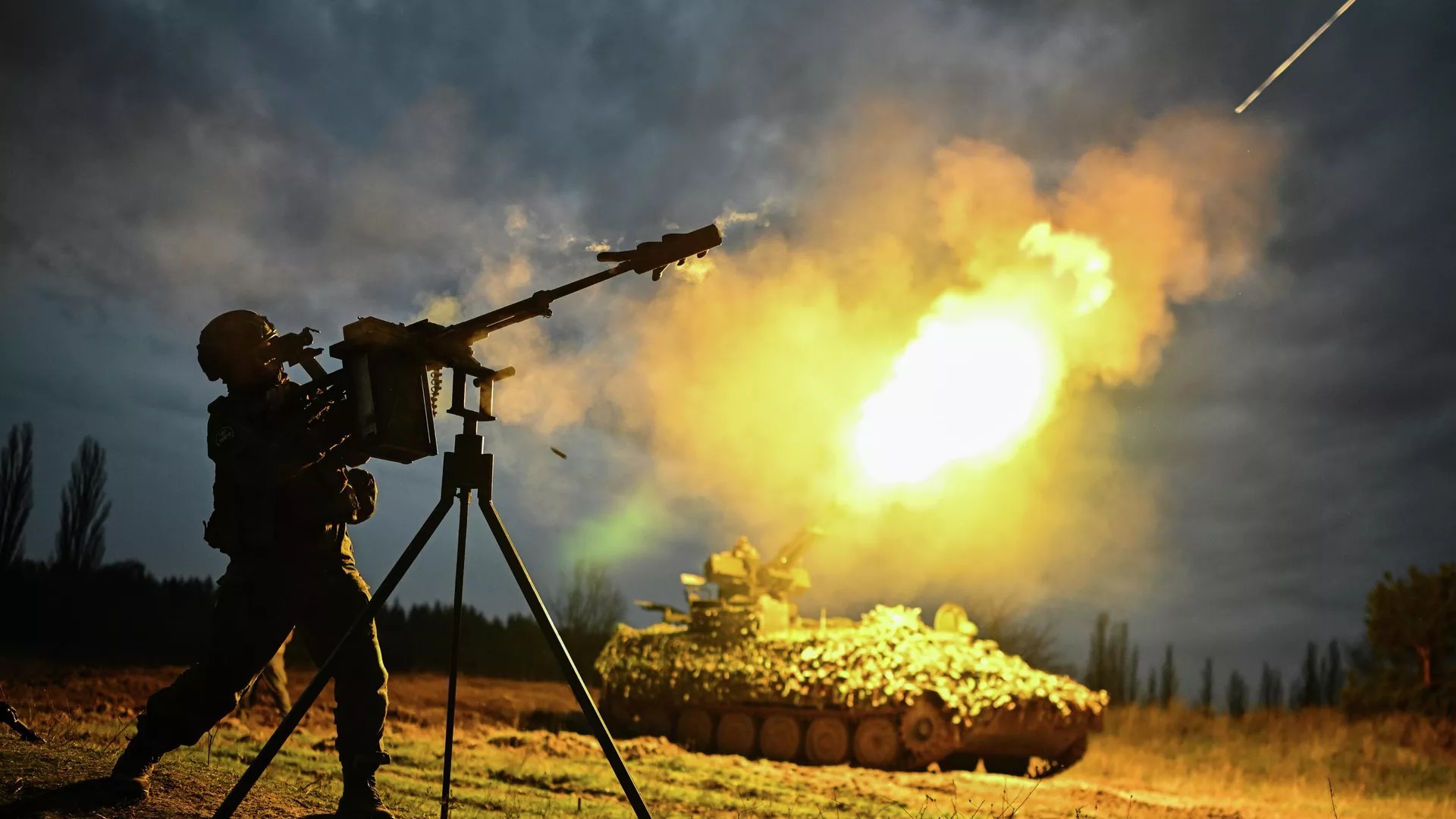
Event Review: In May, 2025, the delegations of Russia and Ukraine resumed direct talks in Istanbul, Turkey, marking their first such negotiations in three years. In June, Ukraine launched Operation Spiderweb targeting multiple Russian air force bases. In December, Russia announced that it had taken control of Krasnoarmiysk, a key city in the Donetsk region.
Commentary: At present, the Russia–Ukraine conflict is characterized by fighting while talking. On the battlefield, high-intensity attritional warfare and frequent long-range strikes have become the norm. Diplomatically, Russia, Ukraine, the US, and Europe remain locked in complex strategic maneuvering, with big and unresolved differences over key issues such as Ukraine's security guarantees and territorial status. The battlefield stalemate and the diplomatic deadlock are reinforcing one another. The international community continues to hope that this protracted conflict will ultimately be resolved through a peaceful settlement.
NO.6
US intervenes in the Israel–Iran Conflict by launching airstrikes on Iran
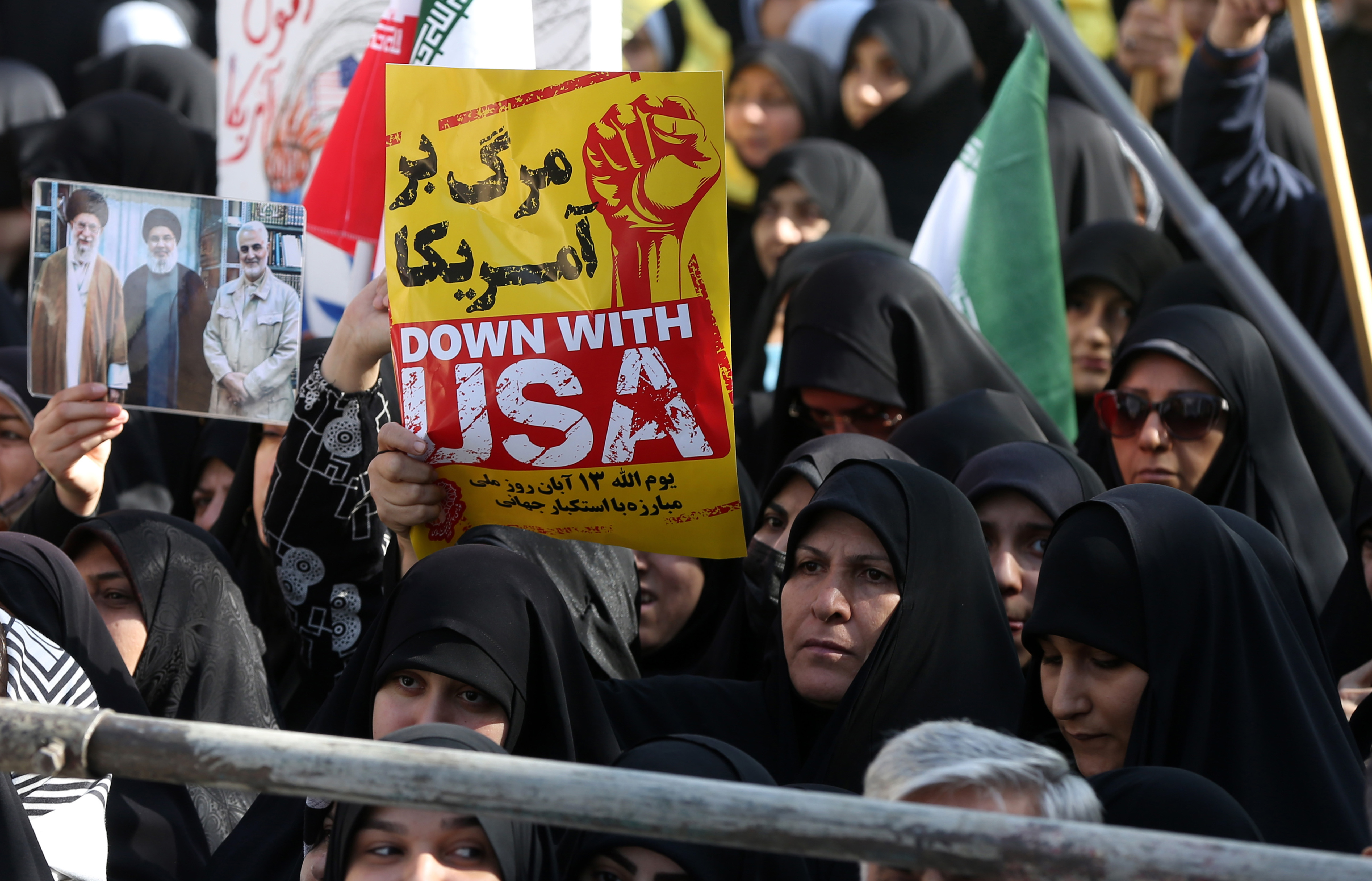
Event Review: In June, 2025, amid intense clashes between Israel and Iran, US forces abruptly launched a military operation codenamed Midnight Hammer against Iran. During the operation, the US military deployed seven B-2 stealth bombers, dropping a total of 14 bunker buster bombs on Iran's nuclear facilities at Fordow and Natanz, and also fired Tomahawk cruise missiles at the Isfahan nuclear facility. In response, Iran launched missile strikes against US military bases.
Commentary: The US military action constitutes a blatant violation of Iran's sovereignty, security, and territorial integrity, and sends a dangerous signal to the world that force is being used to resolve disputes. While the US has claimed that its actions would usher in a so-called moment of peace, the reality is that they have seriously undermined diplomatic efforts to resolve the Iranian nuclear issue, further escalated an already highly volatile regional situation, and posed a direct threat to international peace and security.
NO.7
Military clashes erupt between India and Pakistan, and between Thailand and Cambodia
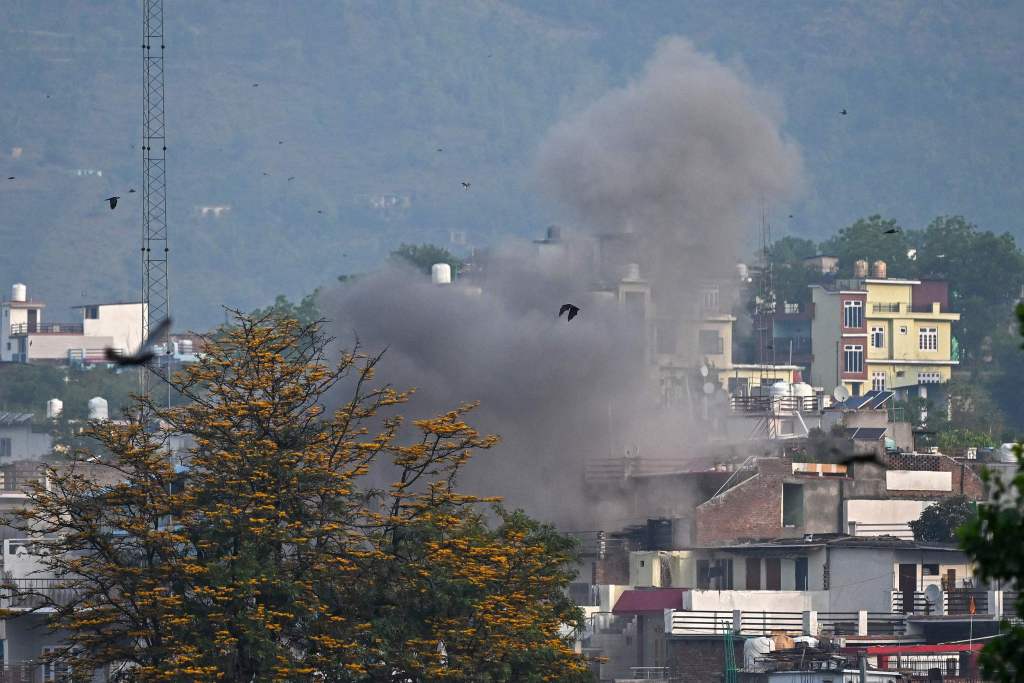
Event Review: On May 7, 2025, India launched a military operation codenamed Sindoor against Pakistan. After intense exchanges of fire, the two sides reached a ceasefire agreement on May 10. In the same month, Thailand and Cambodia engaged in brief armed clashes in their border areas. In July, the two countries again descended into large-scale military confrontation following a landmine explosion in a disputed area. Despite international mediation, a new round of armed conflict broke out between Thailand and Cambodia in December.
Commentary: From the India–Pakistan confrontation to the Thailand–Cambodia clashes, the global geopolitical landscape is showing increasingly pronounced signs of tension. However, armed confrontation cannot fundamentally resolve disputes; on the contrary, it deepens divisions and creates a vicious cycle. Only by upholding good-neighborly relations, building mutual trust, and properly managing differences can the parties concerned steer conflicts toward political settlement and achieve lasting regional peace and stability.
NO.8
Multi-front strikes of Israel heighten regional security risks
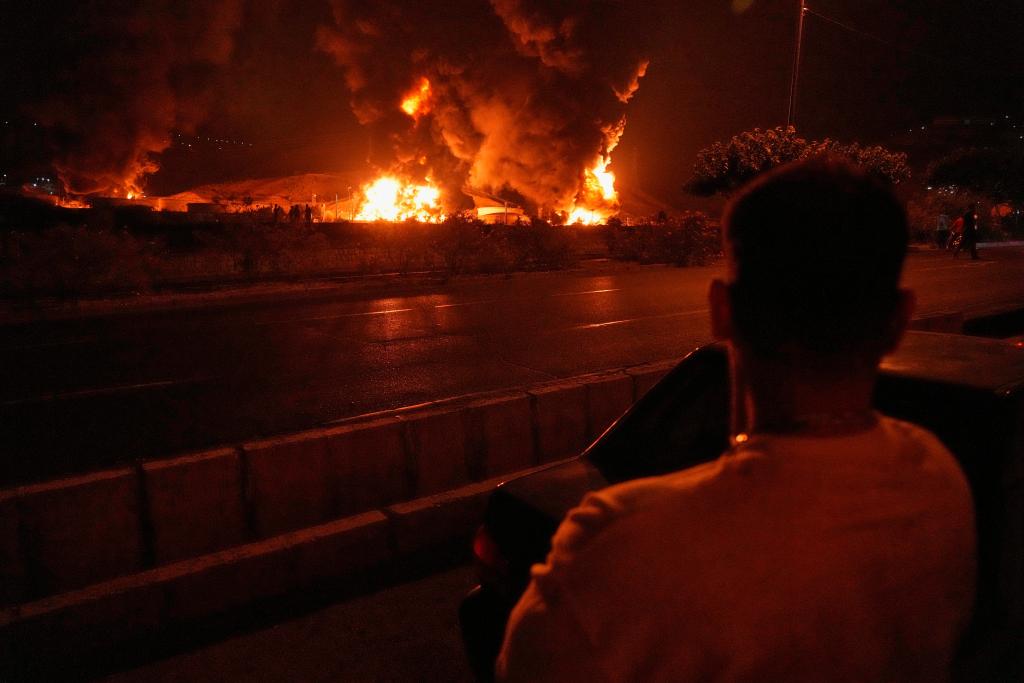
Event Review: In June, 2025, Israel launched large-scale attacks on multiple targets in Iran. In August, it carried out decapitation operations against senior leaders of the Houthis in Yemen. In September, Israel conducted targeted eliminations of senior figures of the Islamic Resistance Movement (Hamas). In October, under external mediation, Israel and Hamas reached a first-phase ceasefire agreement, yet clashes continued.
Commentary: In 2025, Israel conducted a series of military operations against Hamas, the Houthis in Yemen, Iran, Qatar, and Syria, demonstrating high frequency and wide-ranging external strikes. While this force-based deterrence strategy may temporarily weaken opponents, it risks exacerbating regional tensions and generating further hatred and humanitarian crises in the long term.
NO.9
EU adopts the ReArm Europe Plan
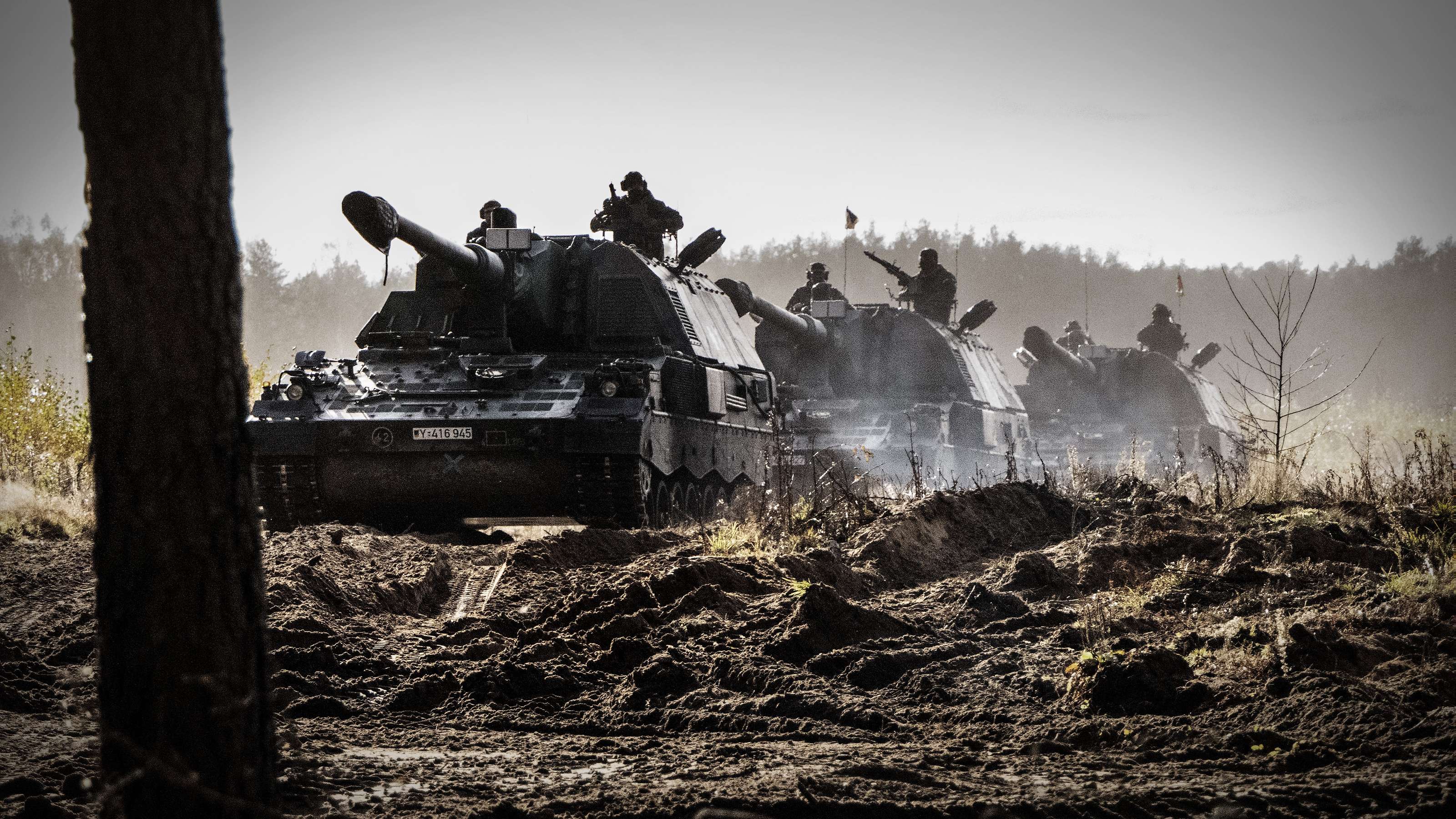
Event Review: In March, 2025, the EU released the White Paper for European Defence and the ReArm Europe Plan- Readiness 2030. In October, the EU unveiled the Defence Preparedness Roadmap 2030, emphasizing the shift from planning to action, prioritizing the development of the European Drone Defense Initiative, Eastern Flank Watch, the European Air Shield and the European Space Shield.
Commentary: With Donald Trump returning to the US presidency, Washington has significantly adjusted transatlantic relations and tightened security commitments to Europe. Against this backdrop, European countries have increasingly called for defense autonomy. However, given differing security perceptions among EU states, heavy reliance on US military equipment, and substantial financial pressures, establishing an independent European defense-industrial base and achieving true defense autonomy remains a formidable challenge.
NO.10
Unmanned combat forces are rapidly advancing
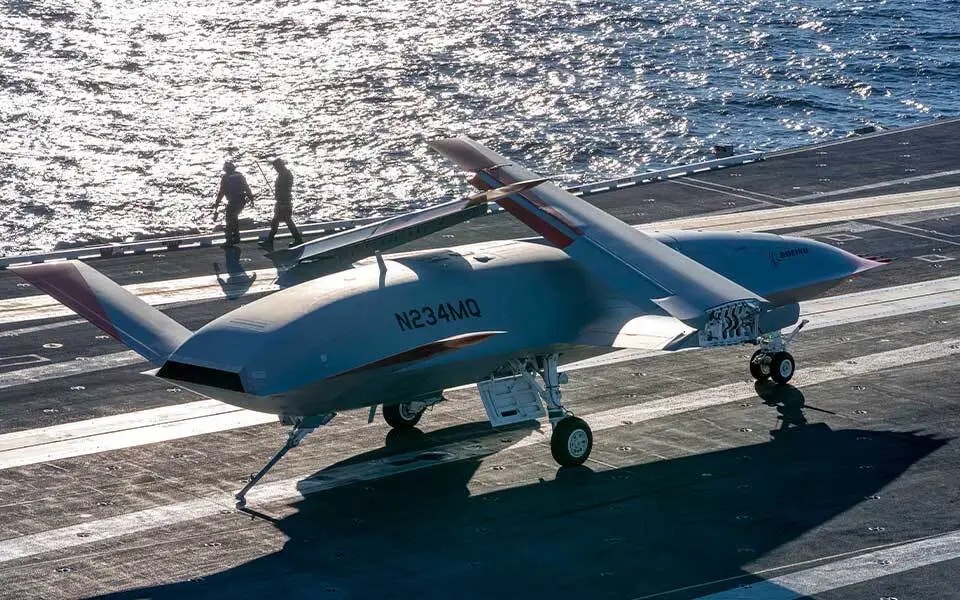
Event Review: In January, 2025, Poland's newly established drone force became operational; in April, the US and the ROK signed an agreement to jointly develop next-generation military unmanned aerial vehicles; in May, France unveiled its next-generation stealth drone program; in November, the US announced that the ROMULUS‑190 unmanned surface vessel had entered the construction phase; in the same month, Russia officially established its Unmanned Systems Forces.
Commentary: As the strategic weight of unmanned combat forces continues to rise in modern warfare, their role has gone beyond auxiliary support to become a decisive factor on the battlefield. Many countries now regard unmanned combat as a key priority for future military development. They are not only accelerating the research and development of unmanned platforms and forming dedicated unmanned units, but also refining equipment, force structure, and tactics through realistic training and exercises, thereby enhancing the overall effectiveness of unmanned combat systems.