By Dong Shaopeng
The issuance and circulation system of US dollars is closely tied to war and military intervention. As long as there is a military conflict in the world, the US is generally involved. As a " currency in transactions across the world", the US dollar functions to facilitate the US hegemony to compete for and control global bulk resources.
The US has been used to intervening politically and militarily in other regions since World War II. It has stationed troops overseas and fostered political and financial agents therein, with the fundamental purpose of controlling the local resources, energy and transportation arteries and making them serve the US' hegemonic operations across the world. Europe, Japan, the ROK and some Southeast Asian countries where the US troops have been long stationed have followed the US in financial policy.
The US has implemented long-term military intervention in some countries in the Middle East and Africa, and taken the global oil supply, grain supply and important mineral resources supply under control as associated with diplomatic pressure and deception, constantly consolidating the hegemony of the US dollars.
Moreover, the US has been good at bombing some countries under the pretext of "democracy and freedom" to create a chaotic situation in warfare, to conduct commercial activities in the name of civil organizations, enterprises and financial institutions to earn profits from investment and trade dominated by arms sales. The US has been indispensable in hot-spot areas including Afghanistan, Syria, Libya, Iraq, Iran, and Ukraine.
The US has created regional hotspots by means of the military while maintaining them via political and diplomatic means. Its fundamental purpose is to serve its dispatch of main global resources, including physical resources like oil, minerals, and food, as well as financial resources. The US dollar policy has been adjusted in accommodating to the needs of the US hegemony: the increased amount of greenbacks printed by the US government means to transfer the crisis to the world, while the shrunk amount means to collect the share of appreciation from the world.
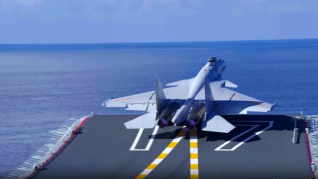
After the COVID-19 pandemic, the US once again directed a "water release – withdrawal" drama of the US dollars under the context of the Russia-Ukraine conflict and achieved its goals of consuming the US excess capital, creating trouble for Europe, leaving the debt crisis to other countries, and maintaining the dominance of the US economy. In addition to Europe, the US military has been active frequently in Asia, Africa, Oceania and other places, demonstrating and building momentum in the form of large-scale military exercises and small-scale live ammunition strikes to support the hegemony of the US dollars.
At present, the US maintains about 800 military bases overseas with about 170,000 military troops stationed in 159 countries. The average annual military budget of the US in recent years has exceeded USD700 billion, accounting for 40% of the world’s total military expenditure.
The US has been trying to build a strong hegemony from military to diplomacy, from cultural transmission to the financial market, with its "dissidents" across the world either politically subverted or struck with artillery. The American military-industrial complex and the capital giants behind it are the ones who have made a lot of money.
On the other hand, the military-industrial complex, which is hard to fill, continues to drive military intervention and warfare, keeping the US dollar "passionate under gunfire" for a long time. Such a US dollar mechanism has seriously undermined international fairness and justice and damaged the peace and tranquility that people of all countries should have enjoyed.
The Biden administration also passed bills like the Chips and Science Act and the Inflation Reduction Act to curb the fair competition of other countries in the high-tech and high-end manufacturing industries, in an effort to create new hegemonic models such as the "chip dollar" and "supply chain dollar". Behind these contests, there is also the trump card of artillery fire supporting the US dollar hegemony.
In this regard, all countries should keep necessary vigilance, strengthen coordination and cooperation, promote the growth of peace and cooperation forces, and curb the impulse of the US hegemonic forces to trigger warfare.
(The author is the deputy editor in chief of Securities Daily and senior research fellow of the Chongyang Institute for Financial Studies, Renmin University of China. Originally published on www.chinanews.com.cn, this article is translated from Chinese into English and edited by the China Military Online. )